Structural Drying & Dehumidification in Media, PA
Once the standing water is gone, the building still holds moisture in framing, subfloors and masonry. The drying team uses air movers, dehumidifiers and daily readings to bring every material back to dry.
(888) 557-1733Media structural drying helpAir movers and LGR units Daily psychrometric logs Dry standard verified
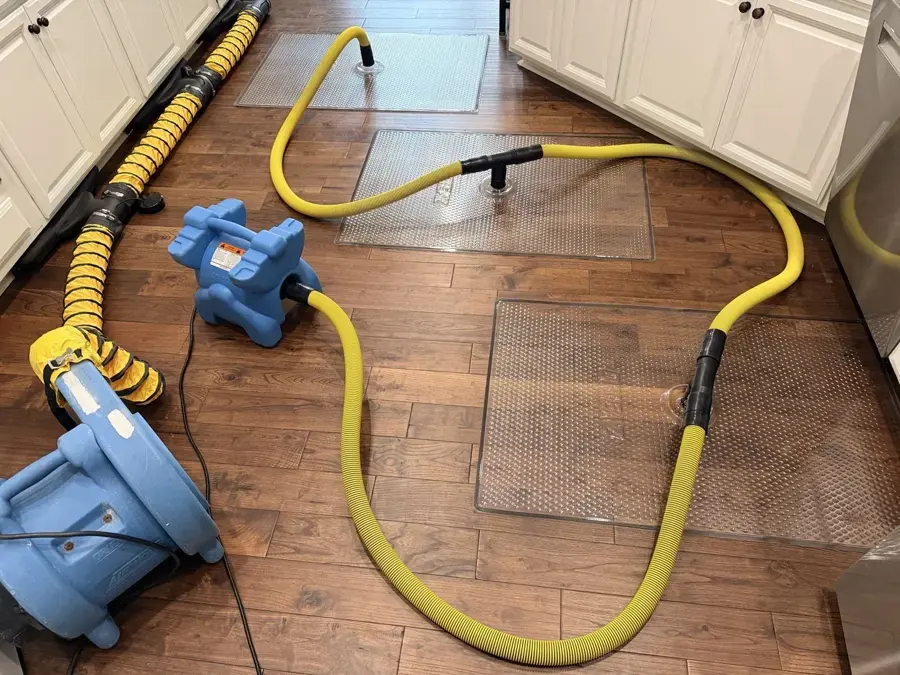
First steps for structural drying and dehumidification in Media
- 1Confirm the water is out
Make sure no standing water remains, because drying equipment cannot catch up with a wet floor.
- 2Leave the system running
Keep air movers and dehumidifiers on, and keep doors and windows closed so humidity stays controlled.
- 3Keep the heat steady
Hold a normal indoor temperature, since warm air carries and releases moisture faster than cold air.
- 4Protect the readings
Leave the logs and markings in place, and avoid moving equipment unless the crew asks.
How structural drying and dehumidification is handled in Media, PA
- 1
Measure the load
Meters, a thermal camera and a hygrometer set the starting readings for every wet material.
- 2
Size the system
Equipment counts follow room volume, material type and drying class, then the crew places each unit.
- 3
Monitor every day
Readings are taken daily, and units are moved, added or removed as materials respond.
- 4
Prove it is dry
Final readings are compared with dry reference materials, and the logs go to the adjuster.
What does structural drying and dehumidification cost in Media, PA?
A single room at Class 1 or 2 in Media runs $1,000 to $2,500, several rooms or a basement $2,500 to $6,000, and Class 4 materials $6,000 to $12,000 or more.
One room at Class 1 or 2
$1,000 to $2,500
- Dehumidifier and air movers
- Readings each day
- Typically three to five days
Multiple rooms or a basement
$2,500 to $6,000
- Several dehumidifiers running
- Wall cavities dried
- Logged psychrometric readings
Hardwood, plaster or stone (Class 4)
$6,000 to $12,000+
- Desiccant units for low humidity
- Hardwood floor mats
- Longer monitoring
These ranges are typical, not a quote. The water category, the wet square footage, the material class and how soon drying began move the number most. The water damage cost calculator gives a planning figure.
Drying is physics, not waiting. Air movers push moisture off surfaces, and dehumidifiers pull it out of the air so materials keep releasing it. Media's housing mix makes the work varied: the median home was built in 1959, 861 housing units date from 1939 or earlier and 290 come from the 2010s, so the tech identifies each material on site rather than assuming.
The four drying classes
- Class 1: a small area of low-porosity material, with the least moisture to remove
- Class 2: a whole room of carpet and pad, with moisture wicking up the walls
- Class 3: water that came from above and soaked ceilings, walls and insulation
- Class 4: deep saturation in hardwood, plaster, concrete or stone, which dries slowly
Equipment matched to the material
Standard rooms get air movers and LGR dehumidifiers. Hardwood floors may need drying mats, wall cavities may need injection ports, and Class 4 jobs often call for desiccant dehumidifiers that work well in cool spaces. The crew adjusts equipment every day based on the readings, instead of leaving it untouched until the end.
How the job is declared dry
The goal is a dry standard taken from unaffected materials in the same building, so each wet material is compared with its own dry counterpart. Readings are logged daily and the equipment leaves only when the numbers match. The drying time estimator gives a starting range, and water extraction in Media comes first when water is still standing.
Structural Drying and Dehumidification across Media and nearby towns
Structural drying runs in houses, apartments and storefronts throughout Media, including Downtown Media, the State Street corridor, South Media, Garden City, Elwyn, Glen Riddle and Rose Valley.
The same service nearby: structural drying & dehumidification in Downingtown, West Chester, Phoenixville.
Water damage restoration in Media Every town coveredRelated water damage services in Media
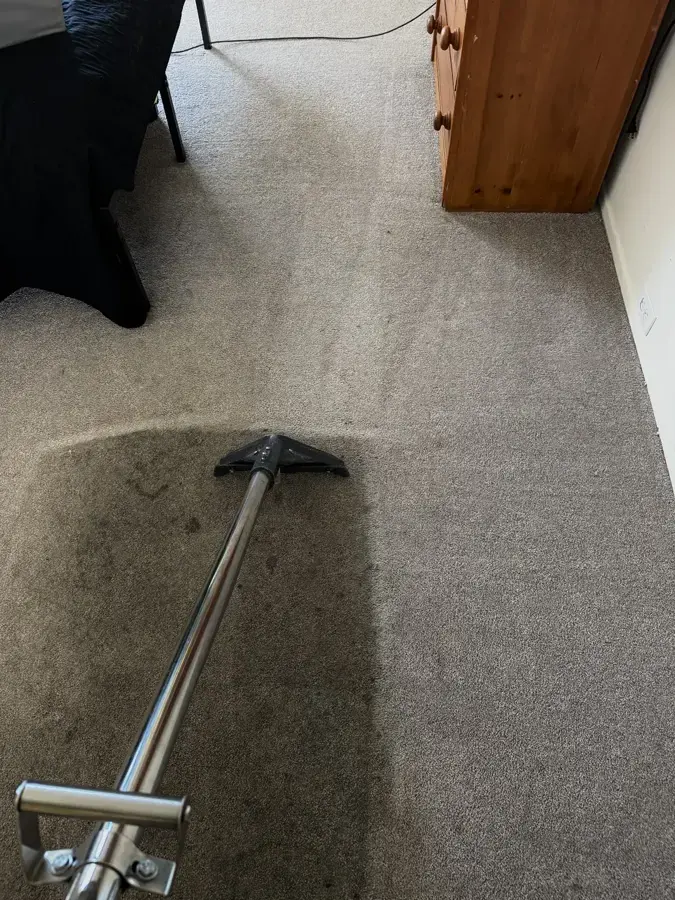 Water Extraction & Removal in MediaGo to this service
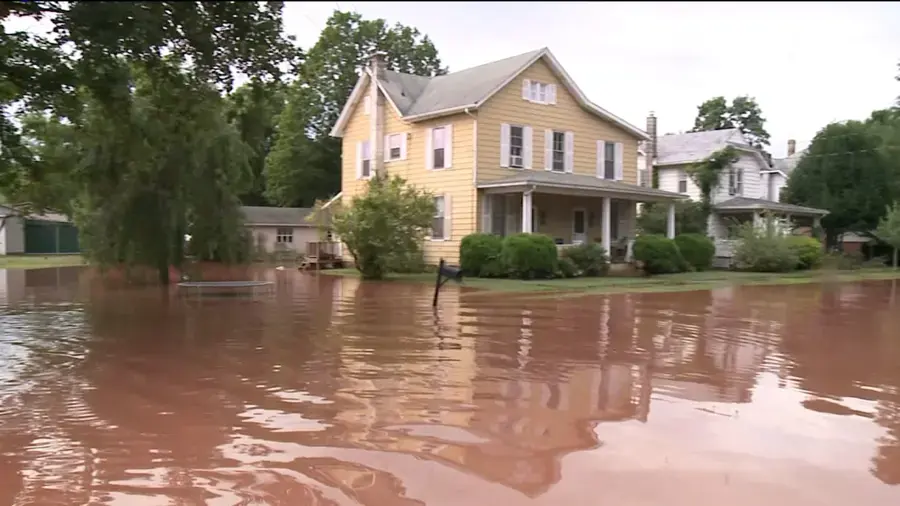 Flood Cleanup in MediaGo to this service
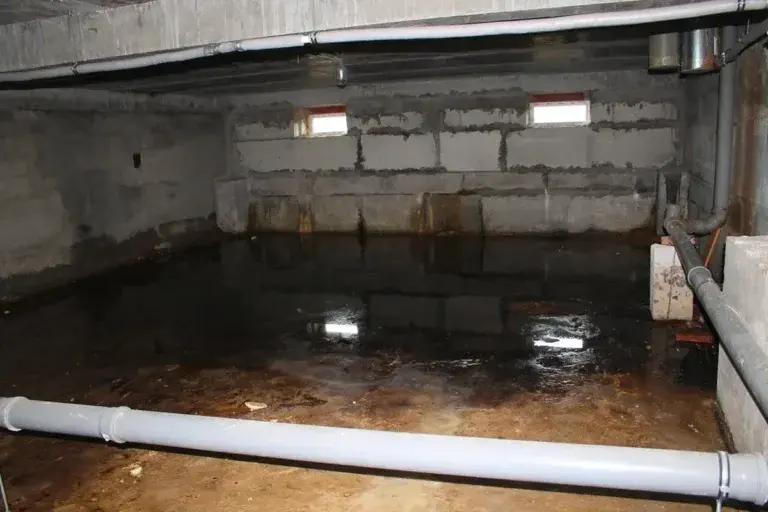 Basement Flooding Cleanup in MediaGo to this service
Structural Drying & Dehumidification in DowningtownGo to this service
Water damage restoration in MediaSee this town
Water damage cost calculatorRun the numbers
Basement Flooding Cleanup in MediaGo to this service
Structural Drying & Dehumidification in DowningtownGo to this service
Water damage restoration in MediaSee this town
Water damage cost calculatorRun the numbers
Structural Drying and Dehumidification questions in Media, PA
How long does structural drying take?
Most single rooms need three to five days, while basements and several rooms take longer, and hardwood, plaster or stone can take longer still. Daily readings, not a calendar, decide the end date.
Why are dehumidifiers running if the floor feels dry?
Surface dryness is misleading. Moisture stays in subfloors, framing and wall cavities, and the dehumidifiers keep pulling it out as it migrates to the surface.
Do older buildings dry differently?
They can. Plaster, solid wood and masonry hold water differently from drywall and engineered products, so the crew identifies each material before choosing equipment.
Is the noise and heat from the equipment normal?
Yes. Dehumidifiers add warmth to the room and air movers are loud, but both are part of keeping humidity low, and the equipment is removed as soon as readings are dry.
Can drying start before repairs are finished?
Drying comes first. Repairs, flooring and paint wait until the structure reaches its dry standard, because sealing in moisture invites mold and warped flooring.
What does a drying log show?
It records temperature, humidity and moisture readings for each wet material every day, which proves progress to the adjuster and tells the crew when to move or remove equipment.
Dry the structure, not just the surface
The drying team sizes the equipment, logs readings daily and stays until framing, subfloors and masonry match a dry standard.