Structural Drying & Dehumidification in Phoenixville, PA
Wet floors, walls and framing do not dry on their own schedule. The Phoenixville drying team sets air movers and dehumidifiers by the room, checks the readings each visit and keeps going until the materials match a dry standard.
(888) 557-1733Phoenixville structural drying helpAir movers and LGR units Wall cavity drying Daily psychrometric logs
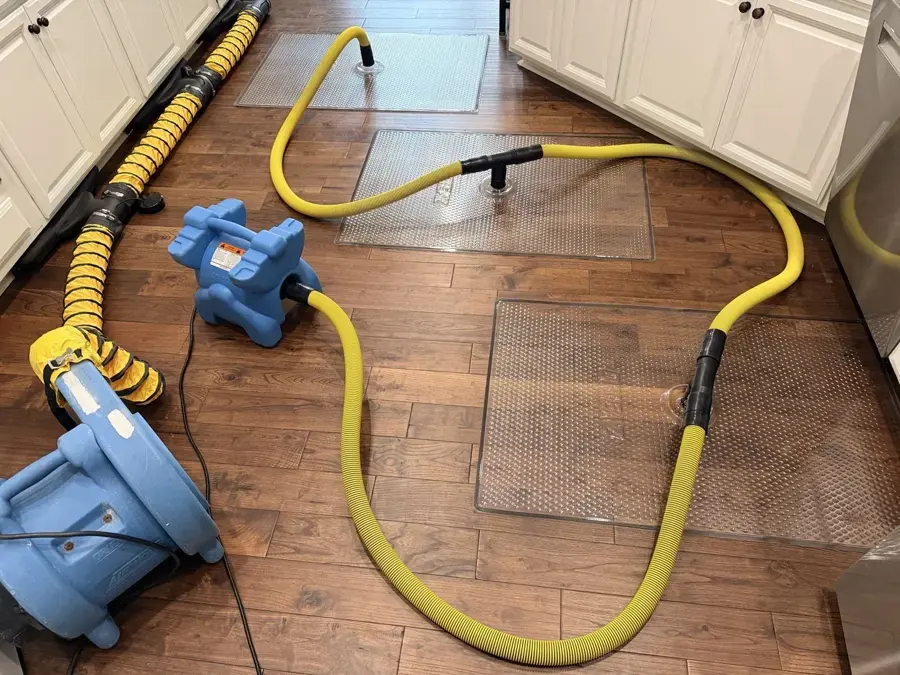
First steps for structural drying and dehumidification in Phoenixville
- 1Hold off on heat
Do not raise the heat or run extra fans before the crew sets equipment.
- 2Keep doors open
Open interior doors and closets so air can reach every wall.
- 3Do not move equipment
Leave air movers and dehumidifiers where they were placed, and keep them running.
- 4Report any change
Report any unit that stops, trips a breaker or sounds different.
How structural drying and dehumidification is handled in Phoenixville, PA
- 1
Measure and classify
The team reads moisture in every wet material, sets the water category and class, and records baseline readings.
- 2
Place the equipment
Air movers go along walls and floors, dehumidifiers go where the air is wettest, and mats go on dense materials.
- 3
Monitor and adjust
Each visit the team re-reads the materials and room air, then moves or removes equipment.
- 4
Confirm dry
When every reading matches the dry reference, the equipment comes out.
What does structural drying and dehumidification cost in Phoenixville, PA?
A single room often costs $1,000 to $2,500, several rooms or a basement run $2,500 to $6,000, and Class 4 materials like hardwood or plaster can reach $12,000+.
One room, light absorption
$1,000 to $2,500
- Air movers and a dehumidifier
- Daily readings
- Several days of runtime
Several rooms or a whole basement
$2,500 to $6,000
- Several dehumidifiers running
- Wall cavity drying
- Psychrometric logs
Dense materials such as hardwood
$6,000 to $12,000+
- Desiccant dehumidifiers
- Floor drying mats for hardwood
- Extended monitoring
These ranges are typical, not a quote. The water category, the wet square footage, the material class and how soon drying began move the number most. The water damage cost calculator gives a planning figure.
Structural drying starts once the water is out and the real moisture work begins. Wood, drywall, plaster and masonry release water slowly, so the drying team measures the materials, not just the air, and adjusts the equipment every visit. Setting dryers is a measured decision, not a fixed formula, and a room with a single wet wall needs a different setup than a flooded floor.
A mixed housing stock
Phoenixville has 2,451 homes built in 1939 or earlier and 1,311 built in the 2000s, with a median build year of 1974. Specific construction materials vary by address, so the team reads each house with a meter instead of assuming how it was built. Where plaster, hardwood or stone is present, drying slows and the job moves toward Class 4. Large buildings are covered under commercial water damage.
The four drying classes
- Class 1: little water and low-absorbing materials, such as a small wet area.
- Class 2: carpet, pad and lower walls have absorbed water across a whole room.
- Class 3: water from above has saturated ceilings, walls and flooring.
- Class 4: dense materials such as hardwood, plaster and stone need long, specialized drying.
Why logs matter
Psychrometric logs record temperature, humidity and material moisture at each visit. They show when the drying is working, justify extra days of equipment and give the adjuster proof that water extraction and drying met the standard. Equipment comes out only when readings match the dry reference, never on a calendar date.
Structural Drying and Dehumidification across Phoenixville and nearby towns
Structural drying runs in homes, apartments and businesses across Phoenixville, from the Phoenixville Historic District to the North Side and Nutt Road, and in Schuylkill Township and East Pikeland Township.
The same service nearby: structural drying & dehumidification in Downingtown, Pottstown, West Chester.
Water damage restoration in Phoenixville Every town coveredRelated water damage services in Phoenixville
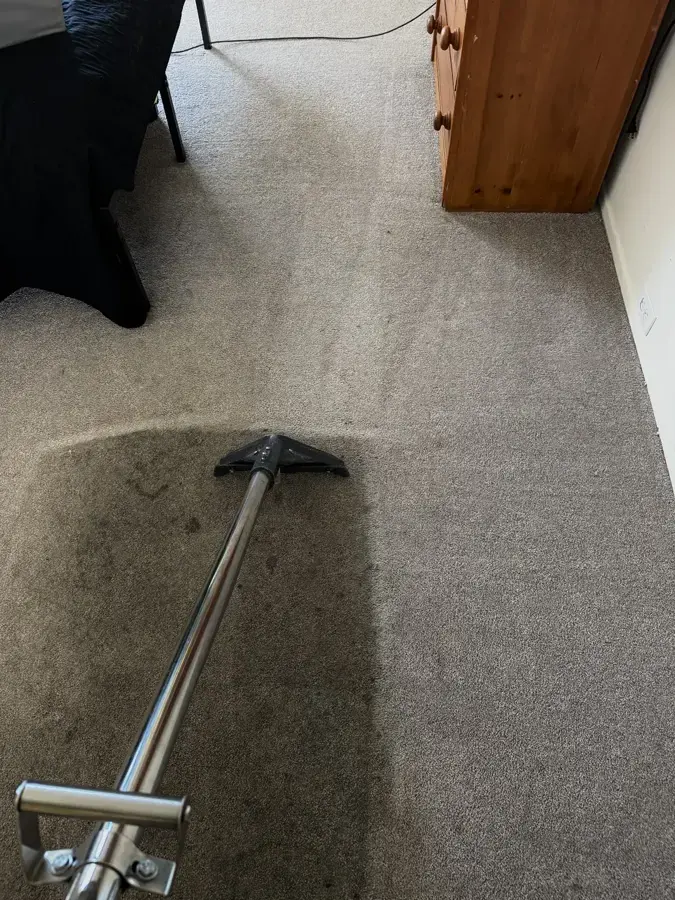 Water Extraction & Removal in PhoenixvilleGo to this service
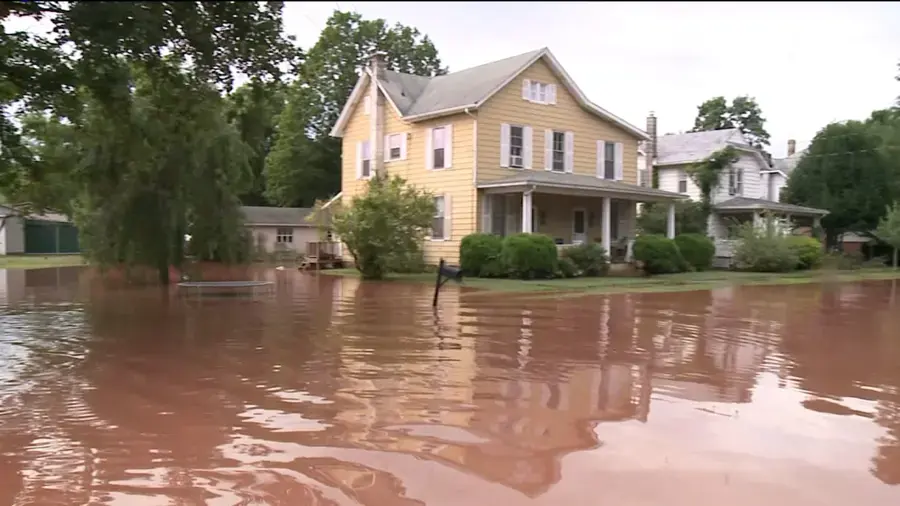 Flood Cleanup in PhoenixvilleGo to this service
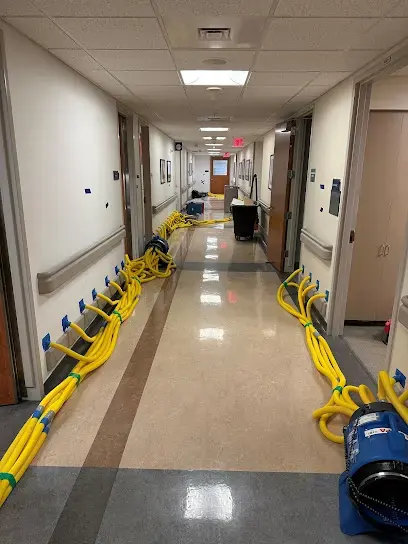 Commercial Water Damage in PhoenixvilleGo to this service
Structural Drying & Dehumidification in DowningtownGo to this service
Water damage restoration in PhoenixvilleSee this town
Water damage cost calculatorRun the numbers
Commercial Water Damage in PhoenixvilleGo to this service
Structural Drying & Dehumidification in DowningtownGo to this service
Water damage restoration in PhoenixvilleSee this town
Water damage cost calculatorRun the numbers
Structural Drying and Dehumidification questions in Phoenixville, PA
How do dehumidifiers and air movers work together?
Air movers push dry air across wet surfaces so moisture leaves the material, and dehumidifiers pull that moisture out of the air so the room can keep absorbing more.
Why does drying take several days?
Water moves out of dense materials slowly, and wood, plaster and masonry give it up more slowly than drywall, so the schedule follows readings instead of the calendar.
Is the noise from the equipment normal?
Yes. Air movers and dehumidifiers are loud and add warmth, which is part of how they work, and the team can reposition units to keep sleeping areas quieter.
What if a floor starts to cup during drying?
Hardwood often cups as it loses moisture unevenly, so floor mats or controlled drying are used on wet hardwood, and the readings decide whether the boards can be saved.
Does the electric bill rise during drying?
Yes, because the equipment runs continuously, and the owner can mention the extra power use to the adjuster.
How does the team know when drying is finished?
Each wet material is compared with a dry reference reading from an unaffected area of the same material, and drying ends when they match.
Dry it to the standard
Air movers, LGR and desiccant dehumidifiers and daily logs are available for Phoenixville homes and businesses once the water is out.