Water Damage Restoration Media, PA
Burst pipes, flooded basements, sewage backups and storm water all end the same way when they sit: wet framing, ruined finishes and a longer repair. The Media team extracts, dries and documents each loss.
(888) 557-1733Call the Media water damage teamHelp 24/7 IICRC S500 method Homes, apartments, shops Daily drying logs
Drywall and subfloors can stay wet after the surface looks dry, so every Media job is measured, not guessed.
First moves when water gets into the building
- 1
Stop the source. Close the main shutoff or the valve at the washer, heater or toilet, and switch off breakers where water meets outlets.
- 2
Mind the electricity. Stay out of standing water near outlets, cords or the panel, and have power cut to wet areas before anyone walks through.
- 3
Alert the neighbors. Tell the unit below and the property manager so shared ceilings and walls get checked early.
- 4
Photograph, then call. Photograph the source, the water and every damaged item before moving things, then call so extraction and drying can be planned around the claim.
Every kind of water loss, handled by category
From a clean pipe break to sewage in a drain, the Media team sorts each loss by water category, then builds the drying plan around it.
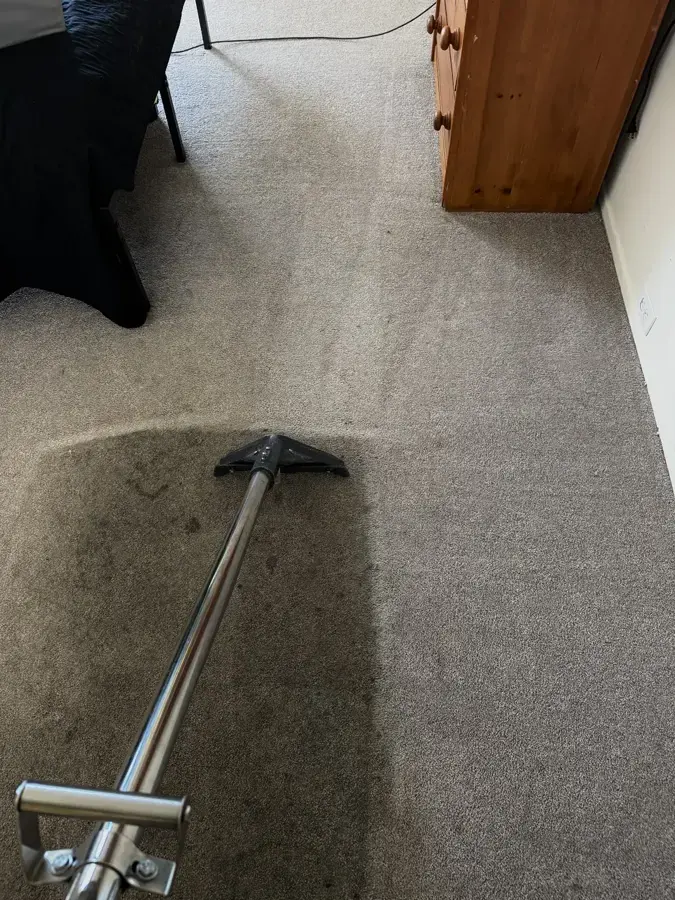 01Water Extraction & RemovalPumps and extractors clear standing water from floors, carpet and shared hallways.See how it is done
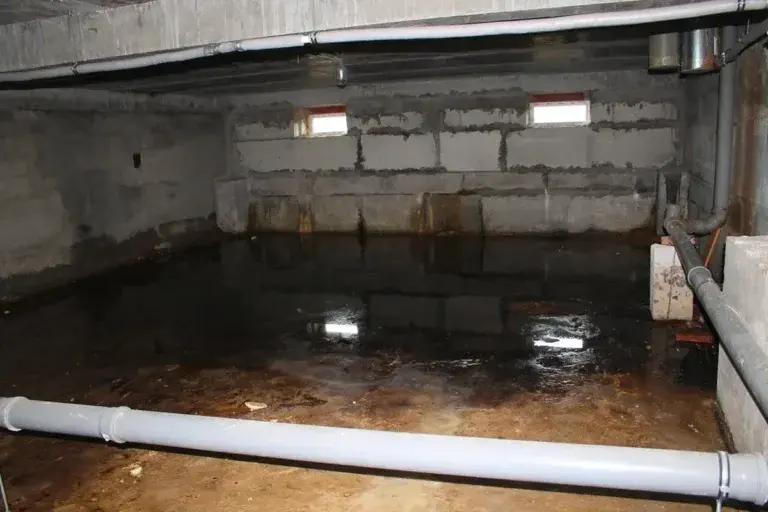 02Basement Flooding CleanupPump-out, cleaning and drying when a basement takes on rain or pipe water.See how it is done
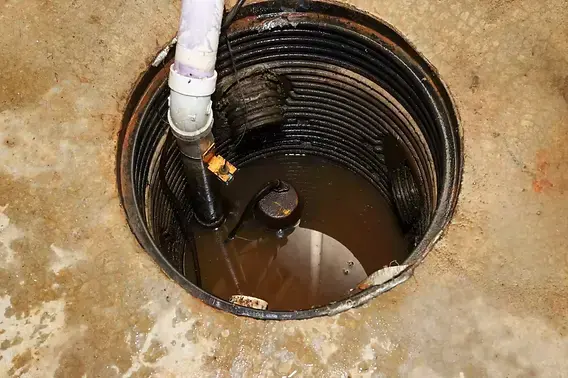 03Sump Pump Failure CleanupCleanup and drying when a sump pump quits or cannot keep up with a storm.See how it is done
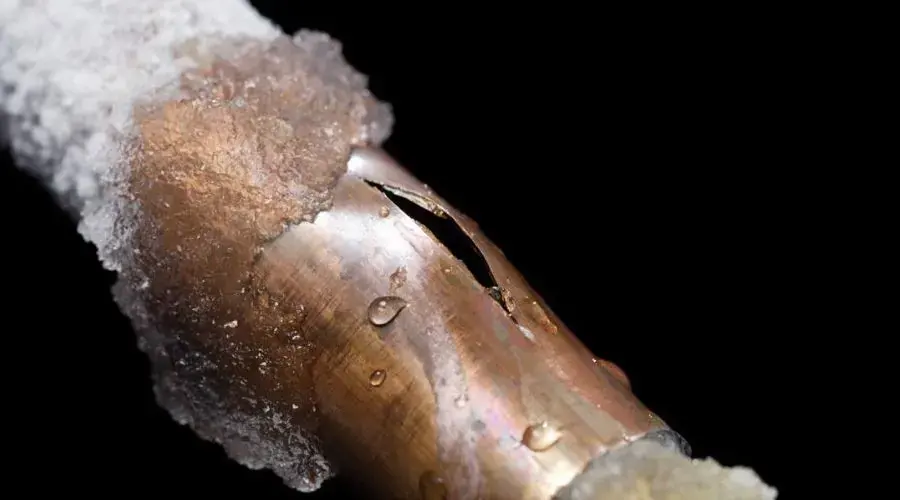 04Burst Pipe Water DamageLeak tracing, extraction and wall drying after a supply pipe splits inside the building.See how it is done
 05Frozen Pipe Water DamageSplit pipes from hard freezes soak cold walls, so the crew opens and dries each cavity.See how it is done
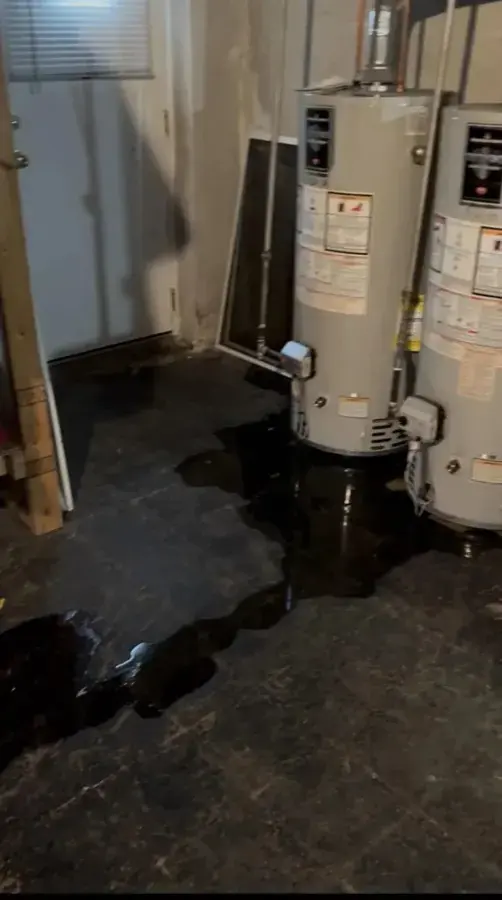 06Water Heater Leak CleanupTank leaks from a slow drip to a full rupture, extracted and dried.See how it is done
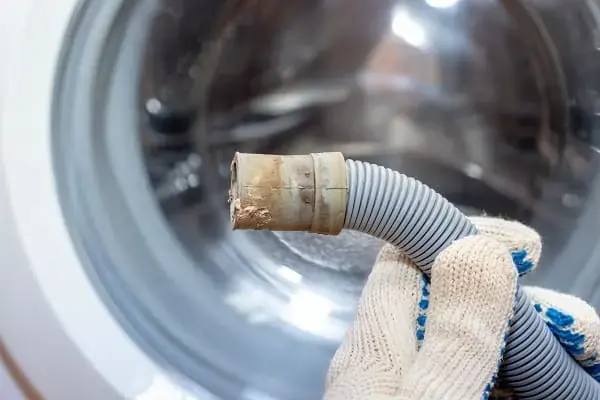 07Washer & Appliance Leak CleanupWasher, dishwasher and refrigerator leaks that reach cabinets, subfloors and neighboring units.See how it is done
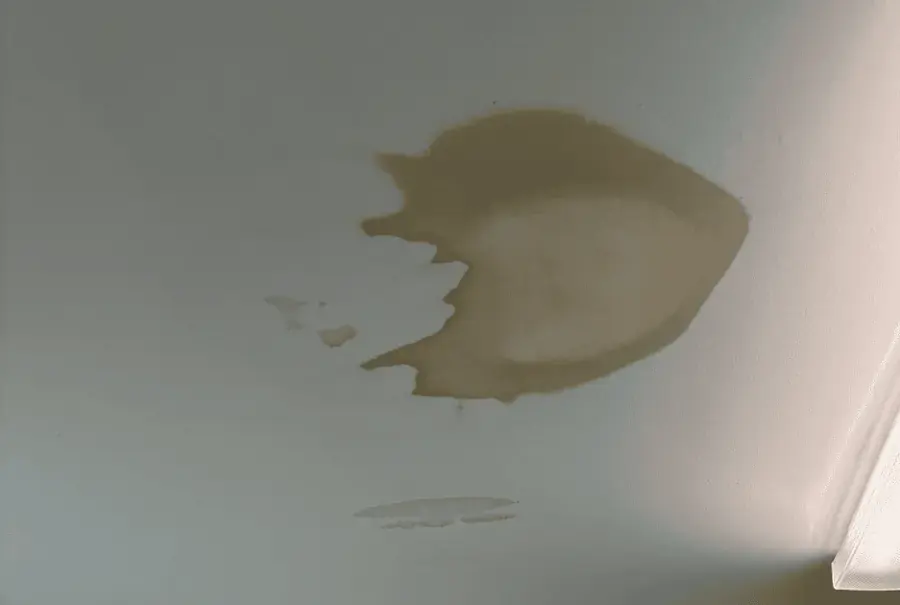 08Ceiling Leak Water DamageStained or sagging ceilings opened carefully and dried, whatever the source.See how it is done
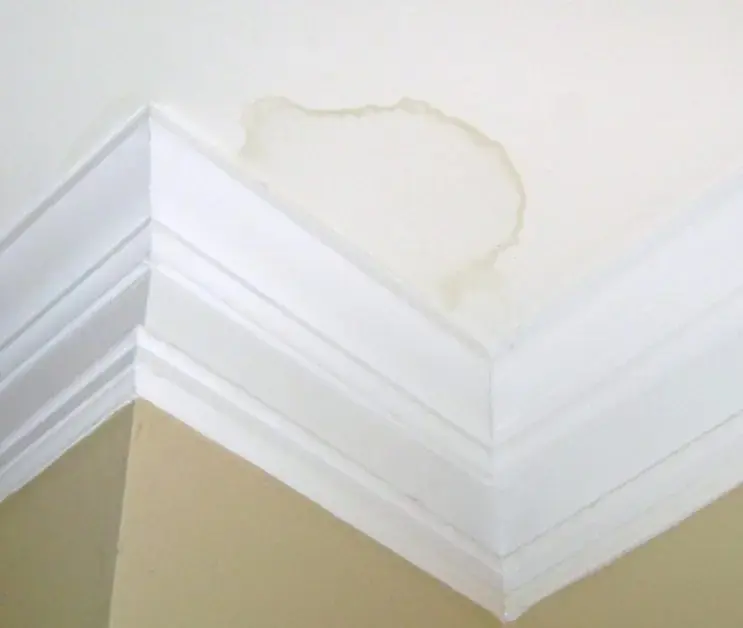 09Roof Leak & Ice Dam Water DamageMelt water from ice dams and roof leaks pulled out of attics, insulation and ceilings.See how it is done
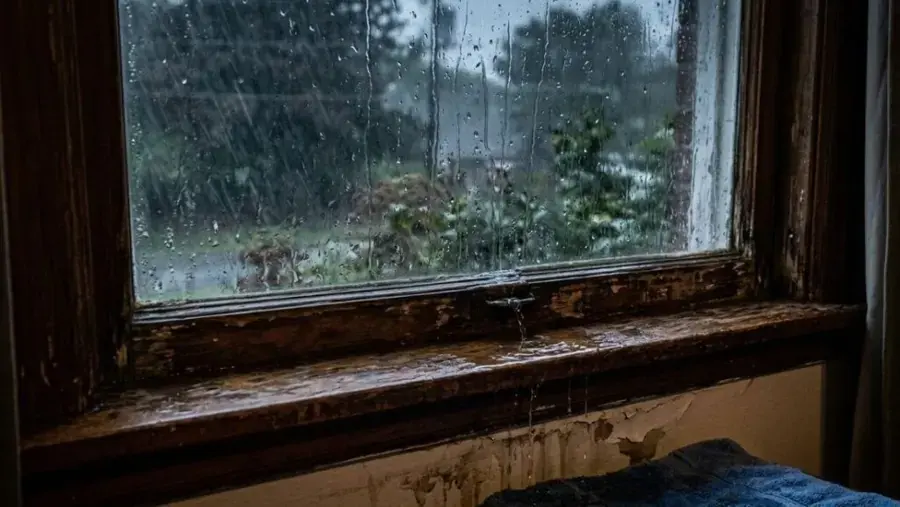 10Storm Water DamageWind-driven rain, window wells and runoff after storms, with wet finishes removed and dried.See how it is done
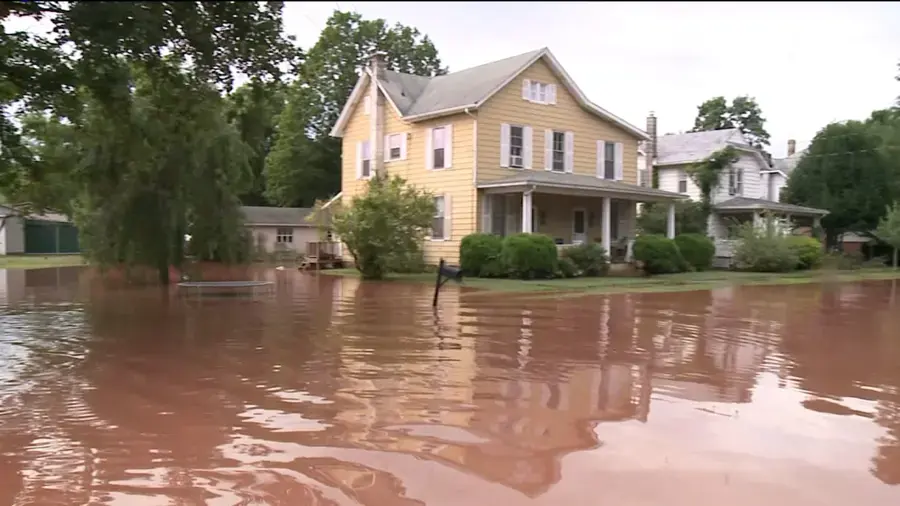 11Flood CleanupPump-out, mud-out and antimicrobial cleaning after creek water or runoff enters a building.See how it is done
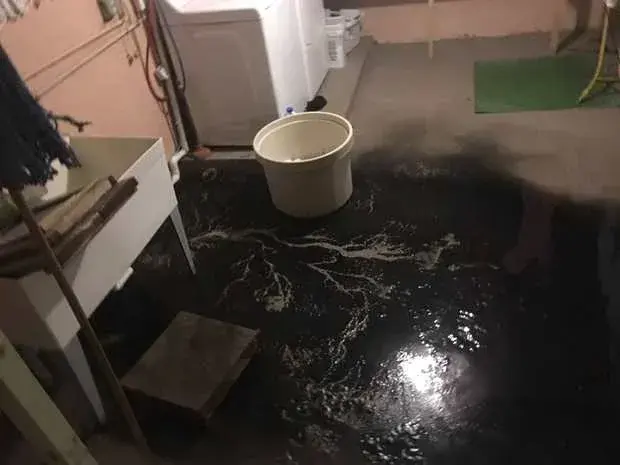 12Sewage Backup CleanupCategory 3 backups from drains and sewer pipes, contained, removed and sanitized.See how it is done
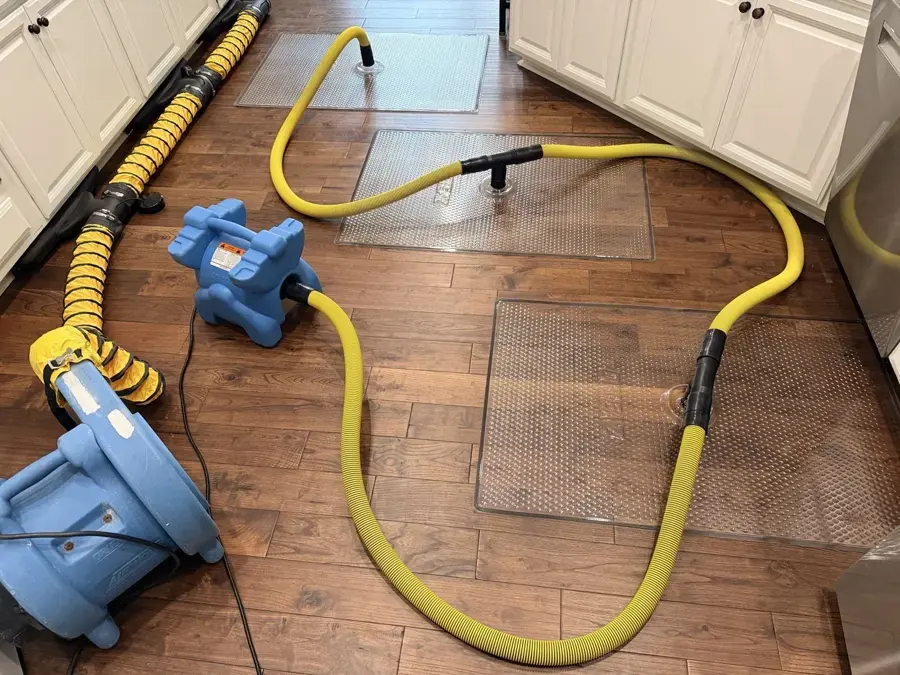 13Structural Drying & DehumidificationAir movers, dehumidifiers and daily readings bring framing and subfloors back to dry.See how it is done
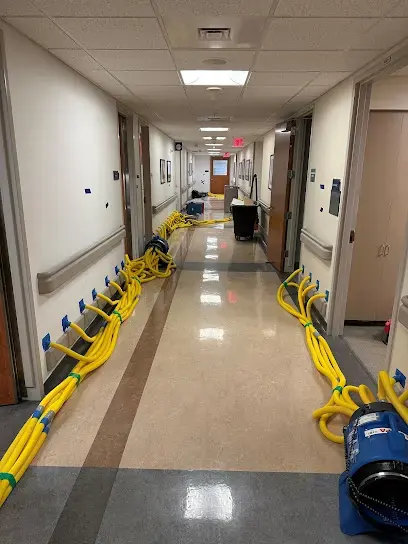 14Commercial Water DamageShops, offices and apartment buildings dried in phases to limit downtime.See how it is done
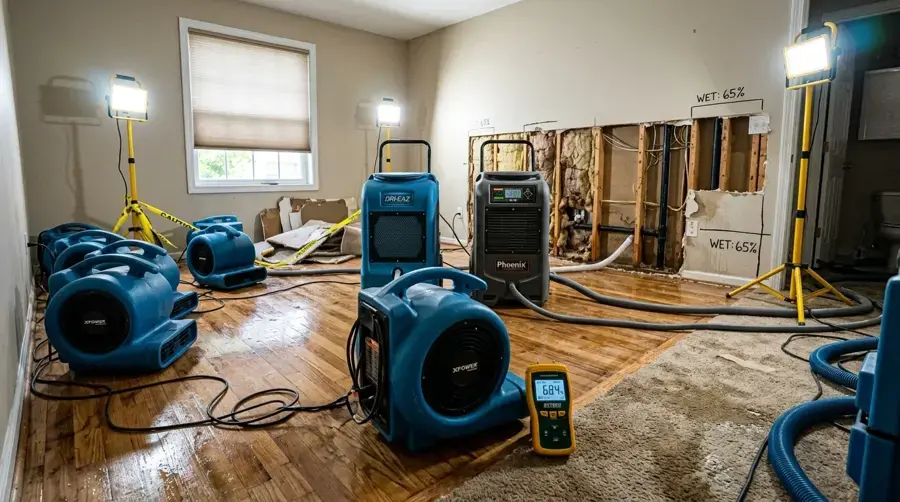
What water damage looks like in a borough of shared walls
Media is the Delaware County seat, home to 5,901 people in the 2020 Census, and its 3,105 housing units run from detached houses to buildings of 50 or more units.
That mix changes how a leak is handled. About 1,779 of those units share a building with at least one neighbor, so the drying team checks the rooms around the wet one before calling a job finished.
Explore every Media serviceDrying set by readings, not by appearance
The restoration team works to the IICRC S500 method: classify the water, size the equipment to the rooms, and take moisture readings daily until wet materials match dry ones nearby.
- 1
Classify the water
Clean, gray or black water sets the protective gear, the disposal plan and which porous materials can stay.
- 2
Pull the standing water
Submersible pumps and truck-mount or portable extractors take bulk water off floors, carpet and pad before any equipment is set.
- 3
Set the drying system
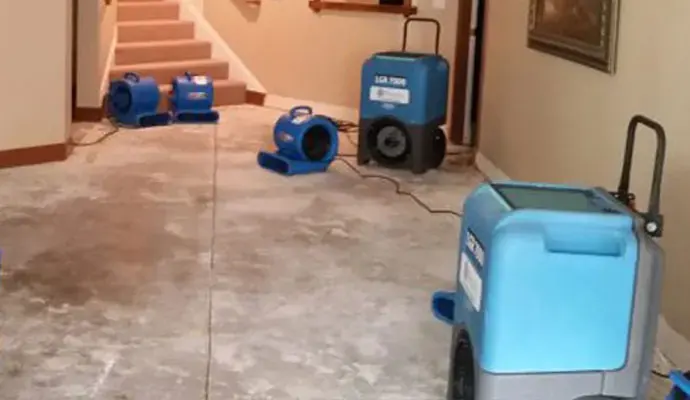
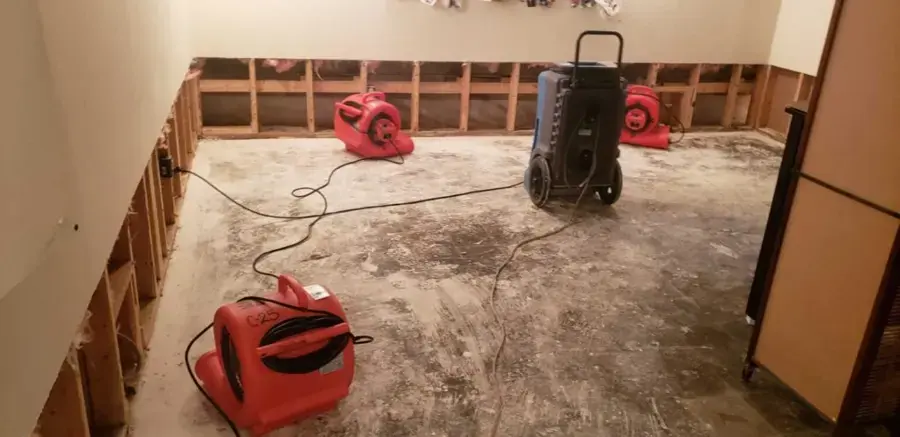
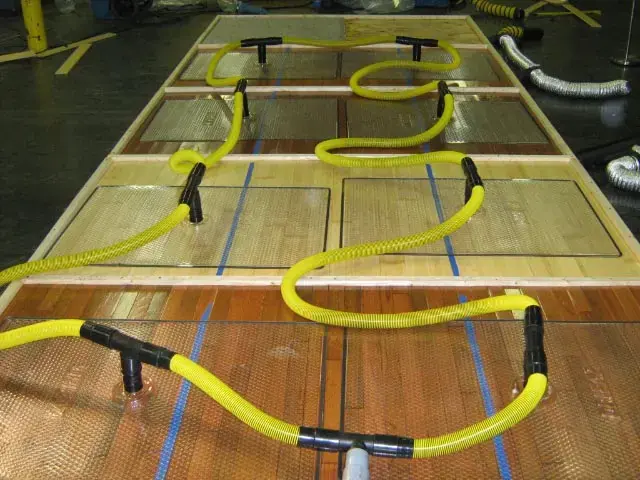
Air movers push moisture off surfaces while LGR dehumidifiers pull it from the air, with extra tools for wall cavities and hardwood.
- 4
Measure and document
Daily moisture and humidity readings are logged until the structure reaches its dry standard, giving the insurer a clear record of the work.
Built for apartments, older homes and storefronts
Help around the clock
Water emergencies ignore office hours, so the response team works nights, weekends and holidays when a Media pipe fails.
Shared-building awareness
Apartment and attached-home leaks are traced room by room, including the unit below, so hidden wet drywall is found early.
Measured drying
Meters, thermal imaging and daily logs replace guesswork, so salvageable material stays and only wet material goes.
Insurance-ready records
Photos, readings and equipment logs are organized for the adjuster, so the claim shows what was wet and how it dried.
What water damage restoration costs in Media, PA
Most Media jobs run from about $1,000 for a small leak caught early to $20,000 or more for multi-room or Category 3 losses, and the water category, the rooms involved and the materials all move the number.
Small leak caught early
$1,000 to $3,000
- Extraction and moisture mapping
- Targeted drying of one area
- Daily readings
Several rooms or a finished basement
$3,000 to $8,000
- Wet carpet, pad and drywall removed
- Several dehumidifiers and air movers
- Wall cavity drying
Multi-room or Category 3 loss
$8,000 to $20,000+
- Gut-out of affected finishes
- Antimicrobial and air scrubbing
- Structural drying in every affected room
Water category, materials and readings set the final price, and the cost calculator gives a working range.
Clean, gray and black water are handled differently
The IICRC S500 sorts water by contamination, and the category decides the protective gear, which materials get discarded and how soon drying has to start.
Clean water
A broken supply pipe or an overflowing tub starts clean, but sitting water gathers contamination, so early extraction saves more.
Burst pipe cleanup in MediaGray water
Washer and dishwasher discharge or sump pump water can carry soap, dirt or bacteria, so carpet and pad usually go while hard surfaces are cleaned.
Appliance leak cleanup in MediaBlack water
Sewage, creek water and ground runoff are grossly contaminated, so the team contains the area, wears protective gear and removes porous materials.
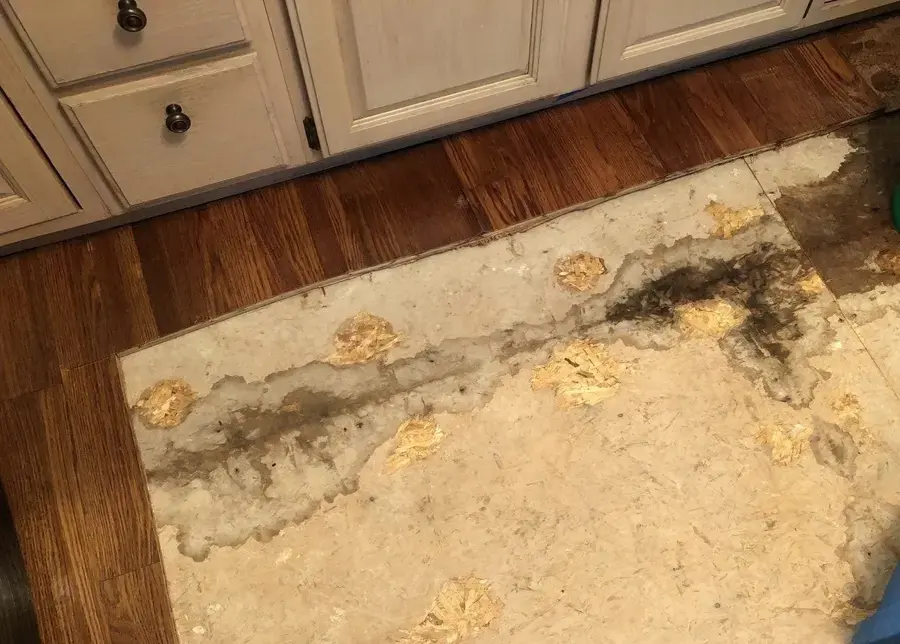
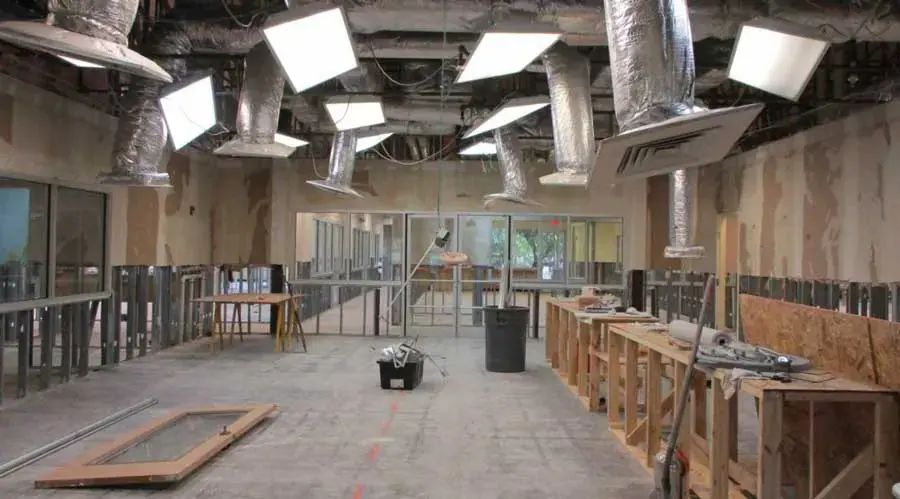
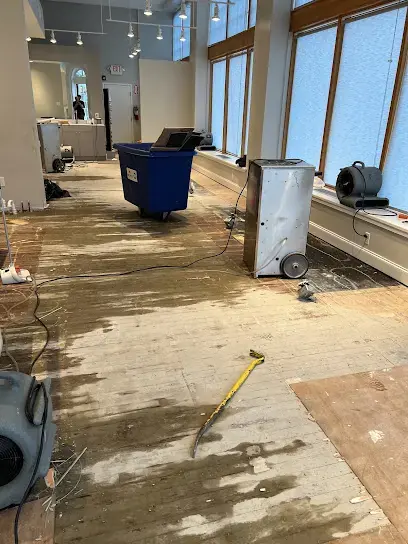
Sewage backup cleanup in MediaWhat drying equipment looks like on a working job
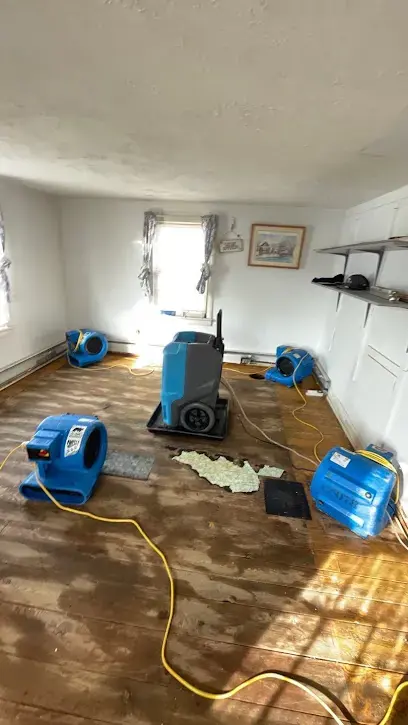
Where the Media team works across the borough
The response team covers Downtown Media and the surrounding communities, from the State Street corridor to South Media, Garden City, Elwyn and Glen Riddle.
ZIP codes covered
19063
Media Borough Hall, the Delaware County offices and Middletown Township offices all use 19063, so that ZIP code is not always inside the borough.
See the full Media service areaDowntown and county offices
Downtown MediaState Street corridorVeterans SquareCourthouse and county government areaMedia Borough Hall area
Nearby communities
South MediaGarden CityElwynGlen RiddleRose Valley
Main roads
Baltimore PikeWest Baltimore AvenueProvidence RoadEast Front StreetWest Front Street
Parks, institutes and side roads
Rose Tree Park areaDelaware County Institute of ScienceRidley Creek Road
Water in the building? Talk to the Media team
Describe the source, the rooms involved and whether the water is clean, gray or black, and the team plans extraction, equipment and the first visit around those details.
How creeks, storms and shared buildings shape Media water damage
These local conditions shape how water reaches Media buildings and how each drying plan is built.
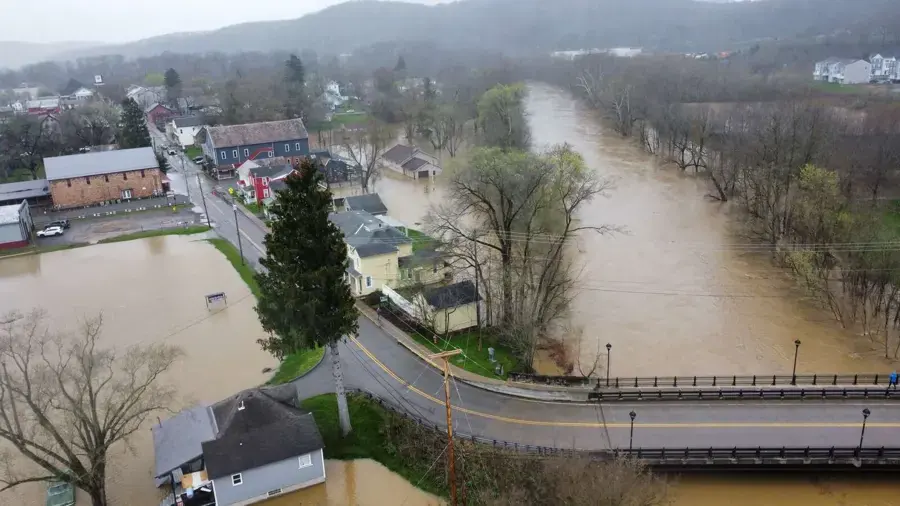
- Ridley Creek gauge. The Ridley Creek gauge at Media crested at 11.61 feet on September 2, 2021, major flooding by National Weather Service standards, as the remnants of Hurricane Ida passed.
- Two valleys, two runs. Media sits on a plateau between the Ridley Creek and Crum Creek valleys, and Broomalls Run and Gayley Run carry most runoff to Ridley Creek.
- Crum Creek Valley evacuations. During Hurricane Floyd on September 16, 1999, about 1,000 people were evacuated from the Crum Creek Valley in Marple, Media, Nether Providence, Ridley, Swarthmore and Upper Providence.
- Neighbors above and below. About 1,779 housing units sit in buildings with two or more units, and 753 attached houses share walls, so a leak often has neighbors.
- Winter freeze risk. Regional guidance reported by WHYY says pipes are at greater risk of freezing and bursting when temperatures stay below 32 degrees for more than 72 hours.
Water damage questions from Media property owners
What should I do first when water gets into my Media home?
Stop the source if it is safe, stay clear of outlets and standing water, move valuables up and photograph the damage. Then call, because early extraction keeps water out of framing and the floors above or below.
How long does structural drying take in a Media house?
Most structures need several days of equipment running, though materials, water category and humidity set the real number. The drying time estimator gives a starting range.
Can a leak next door become damage in my unit?
Water follows ceilings, wall cavities and floors, so neighboring units often get wet too. The mitigation team checks the spaces around the leak and documents each affected unit for its owner or tenant.
Is sewage backup different from other water damage?
Yes. Sewage is Category 3 water, so the crew contains the area, wears protective gear and removes porous materials such as carpet and drywall. Details on sewage backup cleanup in Media are one click away.
Does insurance cover water damage in Media?
That depends on the policy and on how the water arrived. A sudden pipe break is often handled differently from creek water, groundwater or a drain backup, so the adjuster should hear the full story.
Why does Ridley Creek matter for a building's water risk?
Most of Media drains to Ridley Creek, and its gauge at Media crested at 11.61 feet in September 2021. Planning for heavy rain matters near low ground, and the basement water risk check shows the usual weak points.
Do the Media pros work on commercial buildings too?
Yes. Shops, offices and apartment buildings are dried in phases, with each tenant space documented separately, so businesses keep as much of the building open as the loss allows.
Should I remove wet drywall and carpet myself?
It is better to wait for readings. Moisture can hide behind paint and under pad, and removing the wrong material can spread contamination, so the restoration team opens only what the meters show is wet.
Does wet drywall turn into a bigger problem if it sits?
Yes. Wet drywall, pad and framing begin breaking down and can support mold in the first day or two, which is why extraction comes before everything else.
Get the water out and start drying the structure
Standing water and damp materials get harder to save with each passing day. The Media restoration team extracts, dries and documents the loss so repairs can begin on a dry structure, with drying that continues until the readings agree.