Water Extraction & Removal in Media, PA
Standing water in a Media home, apartment hallway or storefront comes out first, because the longer it sits, the deeper moisture moves into subfloors, drywall and the units next door.
(888) 557-1733Media water extraction helpSubmersible pumps Truck-mount and portable units Moisture map when done
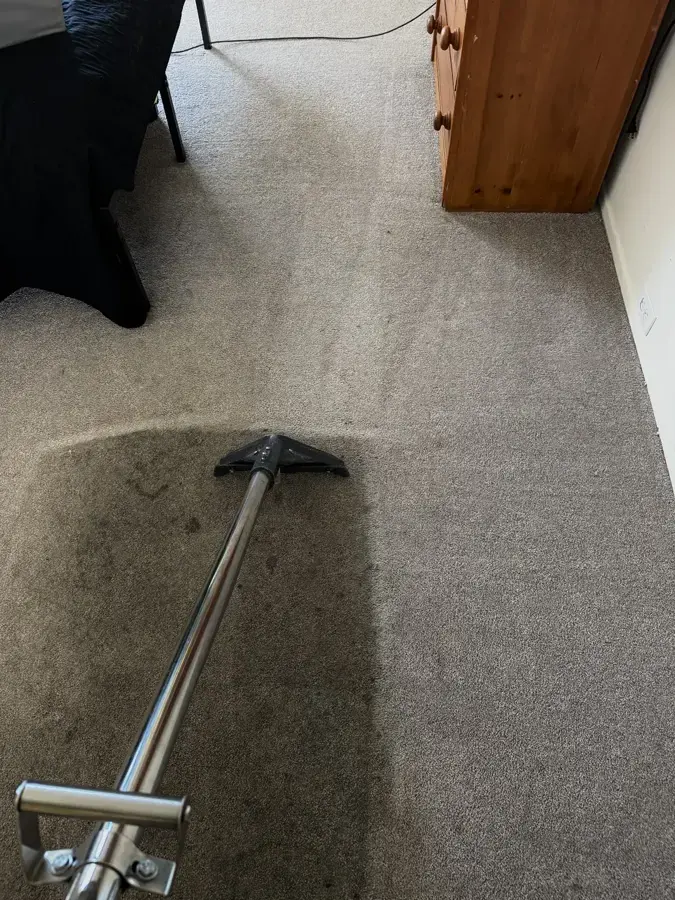
First steps for water extraction and removal in Media
- 1Stop the flow
Close the valve or shutoff feeding the leak, and switch off power to wet rooms only from a dry spot.
- 2Raise belongings
Lift rugs, boxes and small furniture onto dry surfaces and prop cushions up off wet floors.
- 3Alert shared spaces
Where walls or floors are shared, alert the neighbors and the property manager before water reaches another ceiling.
- 4Photograph, then call
Take photos of the water, the source and damaged items, then call so the crew can plan around the claim.
How water extraction and removal is handled in Media, PA
- 1
Assess and sort
The lead tech finds the source, sorts the water by category and marks wet areas with a meter and thermal camera.
- 2
Extract in order
Deep water goes first with submersible pumps, then extractors work the carpet, pad and hard floors.
- 3
Scrub and sanitize
Hard surfaces are scrubbed, and antimicrobial goes on wherever the water was gray or black.
- 4
Hand off to drying
A moisture map tells the drying team where to place air movers and dehumidifiers.
What does water extraction and removal cost in Media, PA?
Most small extraction jobs in Media run from $500 to $1,200, a basement or several rooms from $1,200 to $3,500, and Category 3 water from $3,500 to $7,500 or more.
One room or a hallway
$500 to $1,200
- Portable or truck-mount pass
- Saturated pad lifted out
- Meter check at the end
A flooded basement or several rooms
$1,200 to $3,500
- Submersible pump plus extractors
- Carpet floated or pulled
- Moisture map for drying
Category 3 sewage or creek water
$3,500 to $7,500+
- Creek water or sewage pumped
- Gear, bagging and disposal
- Antimicrobial ahead of drying
These ranges are typical, not a quote. The water category, the wet square footage, the material class and how soon drying began move the number most. The water damage cost calculator gives a planning figure.
Extraction is the first real step in drying a building, because water left in carpet, pad and subfloor keeps pushing humidity into the room. In Media that water can come from a split supply pipe, an overflowing tub, a storm or a neighbor's unit, and each source changes the gear and the plan. The extraction crew brings pumps, wands and meters, so the water category is known before anything is moved. A thorough first pass also tells the drying team how large the job really is.
What the extraction crew pulls out of a building
- Standing water on slabs, tile and hardwood, taken up with submersible pumps and wet vacuums
- Water held in carpet and pad, lifted out with weighted extraction wands
- Moisture inside subfloors and behind baseboards, located with meters and a thermal camera
- Gray or contaminated water, handled in protective gear and bagged for disposal
Shared floors and walls
About 1,779 of Media's housing units are in buildings with two or more units, so water from one apartment can drop through a ceiling or follow a wall cavity into the next. The crew checks the rooms around the wet one, notes every affected unit and keeps the records separate for each owner or tenant. From there, structural drying takes over and finishes what pumps cannot reach.
Storm and creek water
Runoff and creek water carry silt and bacteria, which makes them Category 3 water. The crew pumps them out in a planned order, bags porous materials, then cleans and treats hard surfaces before any drying equipment is set. Most of the borough lies in the Ridley Creek watershed, so runoff after heavy rain is one way water reaches a building. Budget ranges are on the water damage cost calculator, and storm water damage in Media covers the weather side.
Water Extraction and Removal across Media and nearby towns
Extraction crews work across Downtown Media, the State Street corridor and Veterans Square, and out to South Media, Garden City, Elwyn and Glen Riddle wherever water has pooled indoors.
The same service nearby: water extraction & removal in Downingtown, West Chester, Phoenixville.
Water damage restoration in Media Every town coveredRelated water damage services in Media
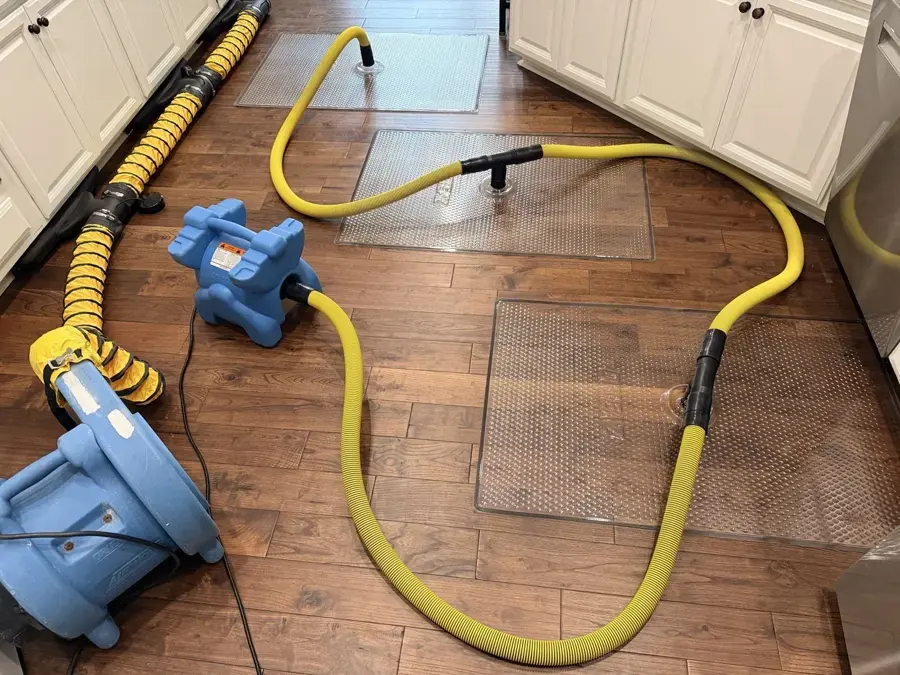 Structural Drying & Dehumidification in MediaGo to this service
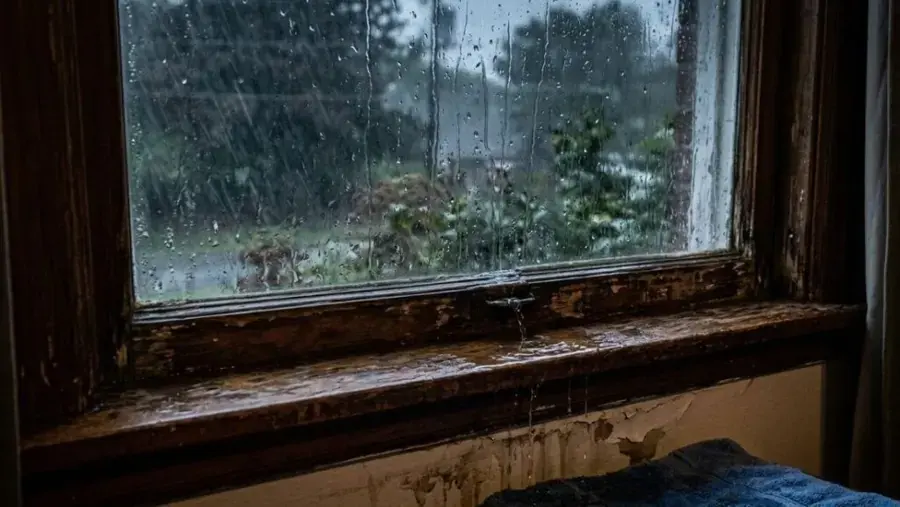 Storm Water Damage in MediaGo to this service
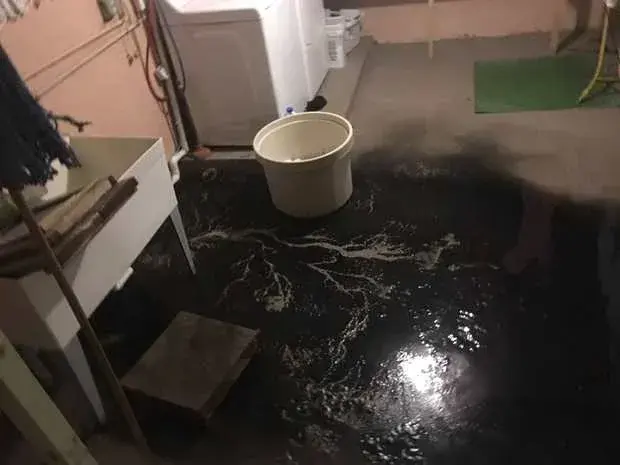 Sewage Backup Cleanup in MediaGo to this service
Water Extraction & Removal in DowningtownGo to this service
Water damage restoration in MediaSee this town
Water damage cost calculatorRun the numbers
Sewage Backup Cleanup in MediaGo to this service
Water Extraction & Removal in DowningtownGo to this service
Water damage restoration in MediaSee this town
Water damage cost calculatorRun the numbers
Water Extraction and Removal questions in Media, PA
What is the difference between extraction and drying?
Extraction removes liquid water with pumps and extractors, while drying pulls moisture out of materials and air with air movers and dehumidifiers. Both are needed, and extraction comes first because it removes the bulk of the load.
Can carpet be saved after an extraction?
Often, if the water was clean and extraction began early. The pad is usually removed, while the carpet is lifted, dried and reinstalled. Gray or black water usually means the carpet goes, since it cannot be cleaned safely.
Who handles extraction when water reaches the unit below?
The crew works the source unit first, then checks adjoining units with the owner's or manager's permission, documenting each space separately so every insurer receives its own record.
Is a wet vacuum enough for a flooded floor?
A shop vacuum handles puddles, but it leaves water in the pad, subfloor and wall bases. Truck-mount and weighted extractors pull far more, and a moisture meter shows what a vacuum missed.
Why does storm water need extra handling?
Runoff and creek water count as Category 3 because of silt and bacteria. The crew wears protective gear, bags porous materials and applies antimicrobial before drying begins, which protects the people living there.
Get Media's standing water out before it spreads
The extraction crew pumps, vacuums and maps moisture so the drying team starts from facts instead of guesses, and repairs can begin on a dry building.