Structural Drying & Dehumidification in Coatesville, PA
Once the water is out, the moisture left in framing, floors and walls decides the damage. Air movers, dehumidifiers and daily meter readings take the structure back to a dry reference.
(888) 557-1733Coatesville drying helpAir movers and LGR units Wall cavity drying Daily readings
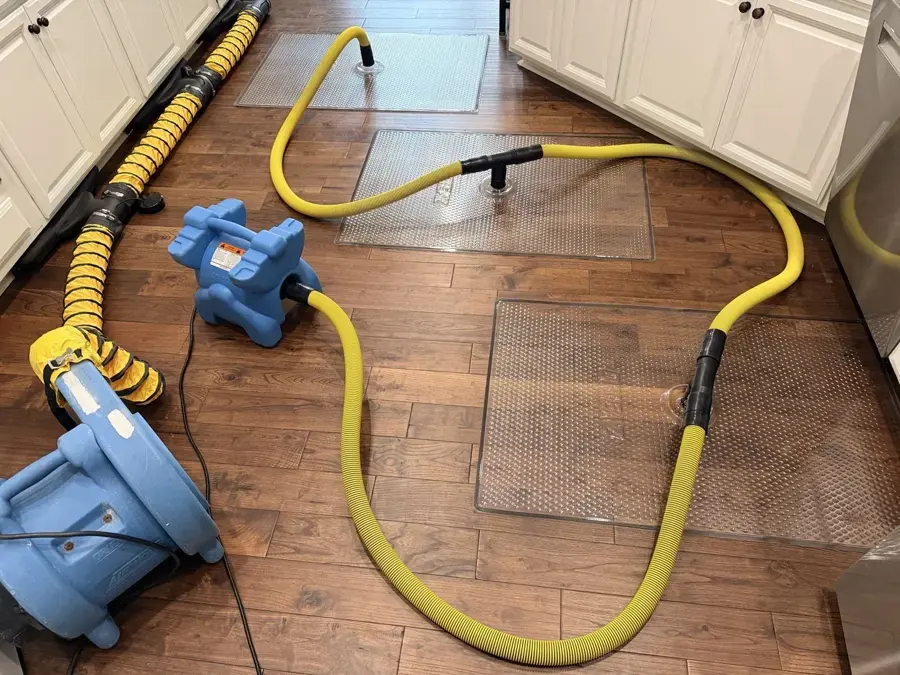
First steps for structural drying and dehumidification in Coatesville
- 1Stop the water first
Drying cannot start while water is still entering, so the leak or source must be closed off.
- 2Open the airflow
Pull furniture away from walls and open closet and cabinet doors so air can circulate.
- 3Leave the equipment alone
Do not move or unplug the machines, which are set to the readings from the walkthrough.
- 4Keep the heat steady
Hold the thermostat at a normal setting, since cold air and closed doors slow the work.
How structural drying and dehumidification is handled in Coatesville, PA
- 1
Measure
Air temperature, humidity and moisture in materials are logged to set the starting point.
- 2
Set the equipment
Air movers and dehumidifiers go in sized to the class of the loss, with cavities opened where wet.
- 3
Monitor daily
The crew rechecks readings, moves equipment and shuts down units that are no longer needed.
- 4
Release
When materials reach the dry reference, equipment comes out and the readings go in a report.
What does structural drying and dehumidification cost in Coatesville, PA?
Structural drying usually runs from about $1,000 for one Class 1 or 2 room to $12,000 or more for dense Class 4 material, with several rooms or a basement in the middle.
One room, light moisture
$1,000 to $2,500
- Air movers and one dehumidifier
- Daily readings
- Several days of drying
Several rooms or a basement
$2,500 to $6,000
- Multiple dehumidifiers
- Wall cavity drying
- Logged psychrometric readings
Dense material, Class 4
$6,000 to $12,000+
- Desiccant dehumidifiers
- Mats on hardwood floors
- Extended monitoring
These ranges are typical, not a quote. The water category, the wet square footage, the material class and how soon drying began move the number most. The water damage cost calculator gives a planning figure.
Coatesville's median home was built in 1952, and 2,037 homes date to 1939 or earlier. Older buildings can hold moisture in thick or layered materials, so the drying plan is built on readings from the start rather than on a fixed number of days.
How a drying plan is set
The crew reads temperature and humidity in the air, then moisture in the wood, drywall and masonry. Those numbers set the class of the loss, how many air movers and dehumidifiers the structure needs and where each one goes.
A single dehumidifier cannot dry a house, because each room, closet and wall cavity needs its own airflow path. Equipment placement changes as the readings fall, so the crew moves and removes units instead of leaving everything in place until the end.
What the equipment does
- Air movers sweep dry air across wet surfaces to lift moisture out of them
- LGR dehumidifiers pull that moisture out of the air and drain it away
- Desiccant units handle dense material and cold spaces that standard units cannot
- Cavity systems push warm dry air into opened walls and under floors
Rebuilding comes after dry
Closing walls or laying new floors over damp material invites trouble, so the final readings come first. The city issues building, plumbing, electrical and mechanical permits, and fees follow the project's valuation, so the drying record helps show the work that was done.
The drying time estimator gives a starting range, and water extraction covers the step before drying.
Structural Drying and Dehumidification across Coatesville and nearby towns
Structural drying covers every neighborhood, from the Historic District's older buildings to the East End, West End and Northeast End, wherever a wet floor, wall or ceiling needs to reach a dry reference.
The same service nearby: structural drying & dehumidification in Downingtown, West Chester, Phoenixville.
Water damage restoration in Coatesville Every town coveredRelated water damage services in Coatesville
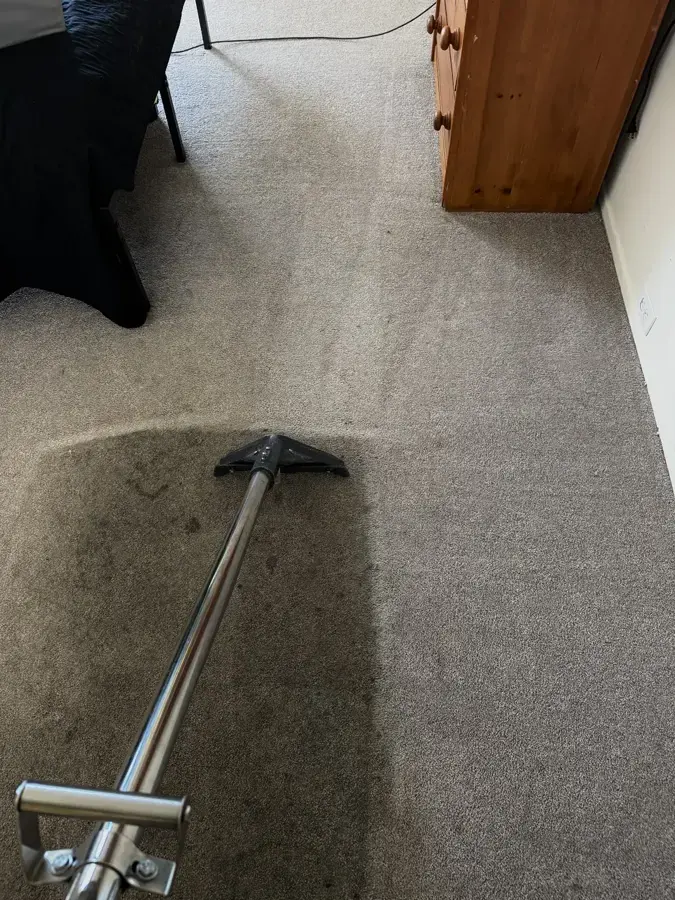 Water Extraction & Removal in CoatesvilleGo to this service
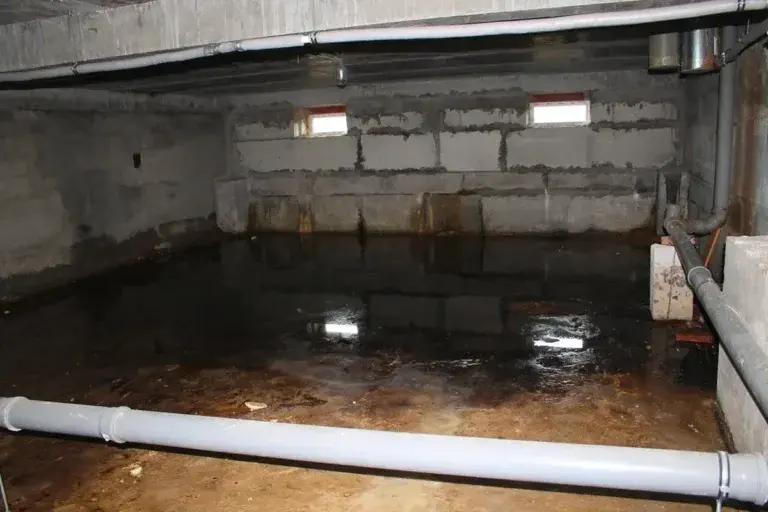 Basement Flooding Cleanup in CoatesvilleGo to this service
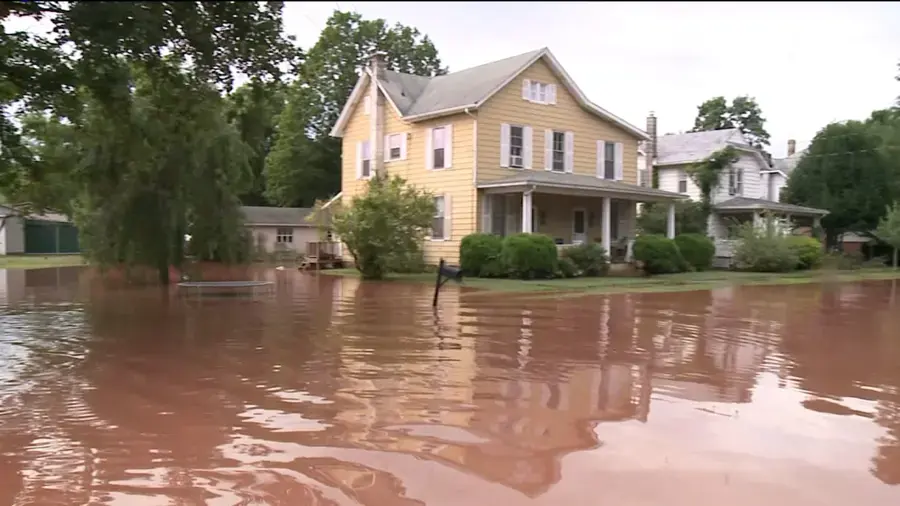 Flood Cleanup in CoatesvilleGo to this service
Structural Drying & Dehumidification in DowningtownGo to this service
Water damage restoration in CoatesvilleSee this town
Water damage cost calculatorRun the numbers
Flood Cleanup in CoatesvilleGo to this service
Structural Drying & Dehumidification in DowningtownGo to this service
Water damage restoration in CoatesvilleSee this town
Water damage cost calculatorRun the numbers
Structural Drying and Dehumidification questions in Coatesville, PA
How is a structure known to be dry?
Meter readings in the wood, drywall and masonry must match a dry reference, and the air humidity must settle. Surface feel is not a reliable test.
Why does the equipment run for days?
Water sits deep inside framing, subfloor and wall cavities, and it leaves slowly. Pushing dry air through all of it takes time, and the readings show when it is done.
Can the equipment run on a normal household circuit?
Usually, but several machines can overload one circuit. The crew spreads the load across circuits and tells the owner which outlets to leave alone.
Do older buildings dry differently from newer ones?
They tend to hold moisture longer in thick or layered materials, so the plan follows readings. The median Coatesville home dates to 1952.
What happens if a floor is dried too fast?
Hardwood can cup or crack when it loses moisture too quickly, so floor drying mats and controlled airflow dry it at a steady pace.
Does drying prevent mold?
Fast, complete drying removes the damp conditions mold needs, and growth can begin after 24 to 48 hours of dampness. It cannot fix growth that already began before the loss was found.
Walls still damp in Coatesville?
Damp framing and subfloor keep releasing moisture long after the surface looks dry. One call starts the readings, the equipment plan and the daily logs.