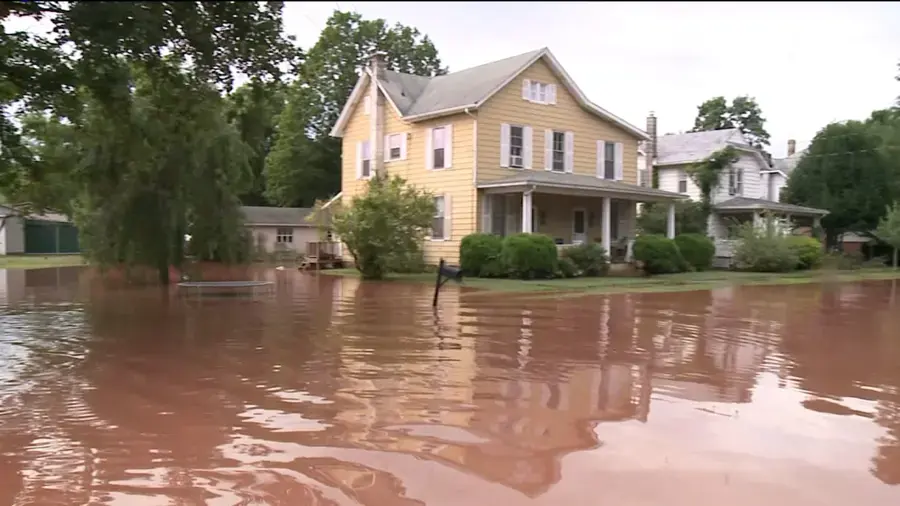
On September 1, 2021, rain from the remnants of Hurricane Ida flooded the heart of Coatesville. The hardest hit sections were on Fifth, Sixth and Olive streets, where floodwaters reached the octagons of some stop signs.
Key takeaways
- The city manager said Ida's flood water damaged more than 60 Coatesville homes and rental properties, and 95 percent of them housed renters.
- About 60 percent of occupied Coatesville homes are rented, so most flood cleanups involve both a tenant and an owner.
- Floodwater is Category 3, so wet carpet, pad, insulation and lower drywall are removed, not dried in place.
- In attached and multi unit buildings, drying has to cover shared floors and walls, not one apartment alone.
- Photos, a contents list and a written record of who was told what and when protect both sides.
What Ida did to Coatesville
The Daily Local reported that more than 100 families were displaced when rain from Ida flooded the heart of the city on September 1, 2021.
The sections hit hardest were on Fifth, Sixth and Olive streets. The city manager said Ida delivered up to 7 feet of flood water over 6 hours, damaging more than 60 homes and rental properties.
The West Branch Brandywine Creek flows through the city, and the USGS streamgage there recorded a peak of 7,120 cubic feet per second that day.
It was not the city's first flood that year. A powerful storm had brought flash flooding to Coatesville on June 8, 2021, and WHYY reported that the city declared a second state of emergency after Ida.
Why renters and owners both need a plan
The city manager said 95 percent of the damaged properties housed renters. Across the city, about 60 percent of occupied homes are rented, 3,041 of 5,065.
That means a flooded home usually has two people with a stake in the cleanup: the tenant who lives there and the owner who holds the building.
Coatesville also has about 1,818 homes in buildings of two or more units, and 2,475 attached single family homes, so water often crosses a wall or a ceiling.
A tenant often sees the water before the owner does, and an owner with several buildings may not hear about it right away. That gap is why written notice matters.
First steps for a tenant
A tenant often has the clearest view of the first hours, so the first records usually come from the person living there.
Some tenants hesitate to report damage. A dated message with photos protects the tenant's own claim and gives the owner what the insurer will ask for.
- Get to safety first, and stay out of floodwater until the power is off.
- Photograph the waterline, damaged belongings and each room before anything is moved.
- Tell the owner or property manager in writing, with the date and the photos.
- List damaged belongings with rough values.
- Ask the renters insurer what is covered, because floodwater is often excluded.
First steps for an owner
An owner with several units has to think about the whole building at once. An owner also answers to the tenants, and a short written update on what is being done and what comes next prevents confusion and disputes.
Water damage restoration in Coatesville stages a multi unit cleanup from the first extraction to the last dry reading.
- Confirm that every household in the building is out and accounted for.
- Have the power and gas status checked before anyone goes back in.
- Arrange extraction for the whole building, not one unit.
- Tell the insurer and ask whether flood coverage applies.
- Keep a log of every conversation with tenants and contractors.
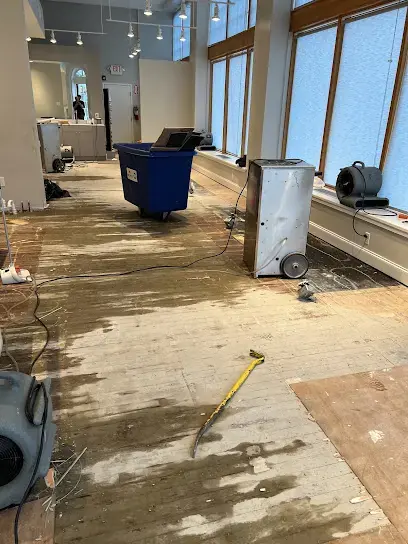
Flood cleanup in attached and multi unit buildings
A flooded row home or apartment building is cleaned in a fixed order, and the order is the same one used for flood cleanup in Coatesville generally.
Extraction and removal
The crew doing water extraction in Coatesville pumps out standing water, then removes what the flood soaked: carpet and pad, insulation, lower drywall and soft furnishings.
Mud left in a wall base keeps the wall wet from the inside, so silt is cleared before drying equipment is placed. Surfaces that stay are cleaned with an EPA registered antimicrobial once the silt is gone.
Contents are sorted at the same time, so wet belongings are photographed and moved out of the work area before the crew starts removing finishes.
Drying shared structure
In a row or an apartment building, floors and walls are shared. The drying team measures the units around the flooded one and keeps equipment running until readings match dry material.
Coatesville has 284 homes in buildings of 50 or more units, and larger buildings are dried zone by zone so the whole structure is not shut down at once.
About 48 percent of Coatesville homes, 2,608 in all, were built before 1950. Older masonry and wood can hold water longer, so structural drying in Coatesville on those buildings often runs longer than on a newer, framed one.
Records, insurance and the lease
Floodwater and a burst pipe are different events on an insurance policy. Ask the insurer whether rising water is covered, and ask the owner what the lease says about repairs and belongings.
Chester County notes that a property outside FEMA's 100 year floodplain may still flood, because a 100 year flood means a 1 percent chance of flooding in any given year.
If a building mixes owner occupied and rented homes, each household may have a different policy. A short list of who has which coverage saves time later.
These habits keep the record clean:
- Keep every photo, message and receipt in one folder.
- Write down who was told about the damage and on what date.
- Keep damaged belongings until the adjuster agrees they can go.
Power, gas and where families stay
Utilities are part of every Coatesville flood story. After the June 8, 2021 flood, homeowners told 6abc that power and gas were shut off, and the American Red Cross assisted more than 30 families on one affected street.
Before anyone moves back in, the power and gas should be confirmed safe, and wet appliances should be checked rather than switched on.
- Ask the utility whether service is safe to restore, and ask an electrician to check wet panels and outlets.
- Keep receipts for lodging, meals and storage, because some policies cover extra living costs.
- Photograph every room before cleanup begins, so the record shows the damage as it was.
- Ask the drying team when each room is dry enough to move back into.
Questions
Who arranges flood cleanup in a rental, the tenant or the owner?
It depends on the lease, the building and the insurance involved. Owners commonly arrange cleanup of the building while tenants handle their belongings, so ask in writing.
Does renters insurance cover flood damage?
Renters policies often cover belongings for some water events but frequently exclude rising floodwater. Flood coverage is usually a separate policy.
Can one flooded apartment be dried while the others stay occupied?
Sometimes. Barriers and careful equipment placement help, but shared floors and walls decide how far the drying has to reach.
Why does the drying team measure the neighbors' walls?
Water crosses shared walls and floors. Dry readings next door confirm that moisture did not travel and is not still hidden.
Should flooded belongings be thrown out right away?
Not before they are photographed and listed. Porous items that touched floodwater are usually discarded, but the adjuster needs the record first.
How soon should flood drying start?
As soon as the water is out and the building is safe. Wet material can grow mold within 24 to 48 hours.